How to choose a beginner pickleball paddle in the Philippines
Compare paddle grip, weight and shape, then try or borrow a paddle before buying for your first pickleball game.
By Charles · ·
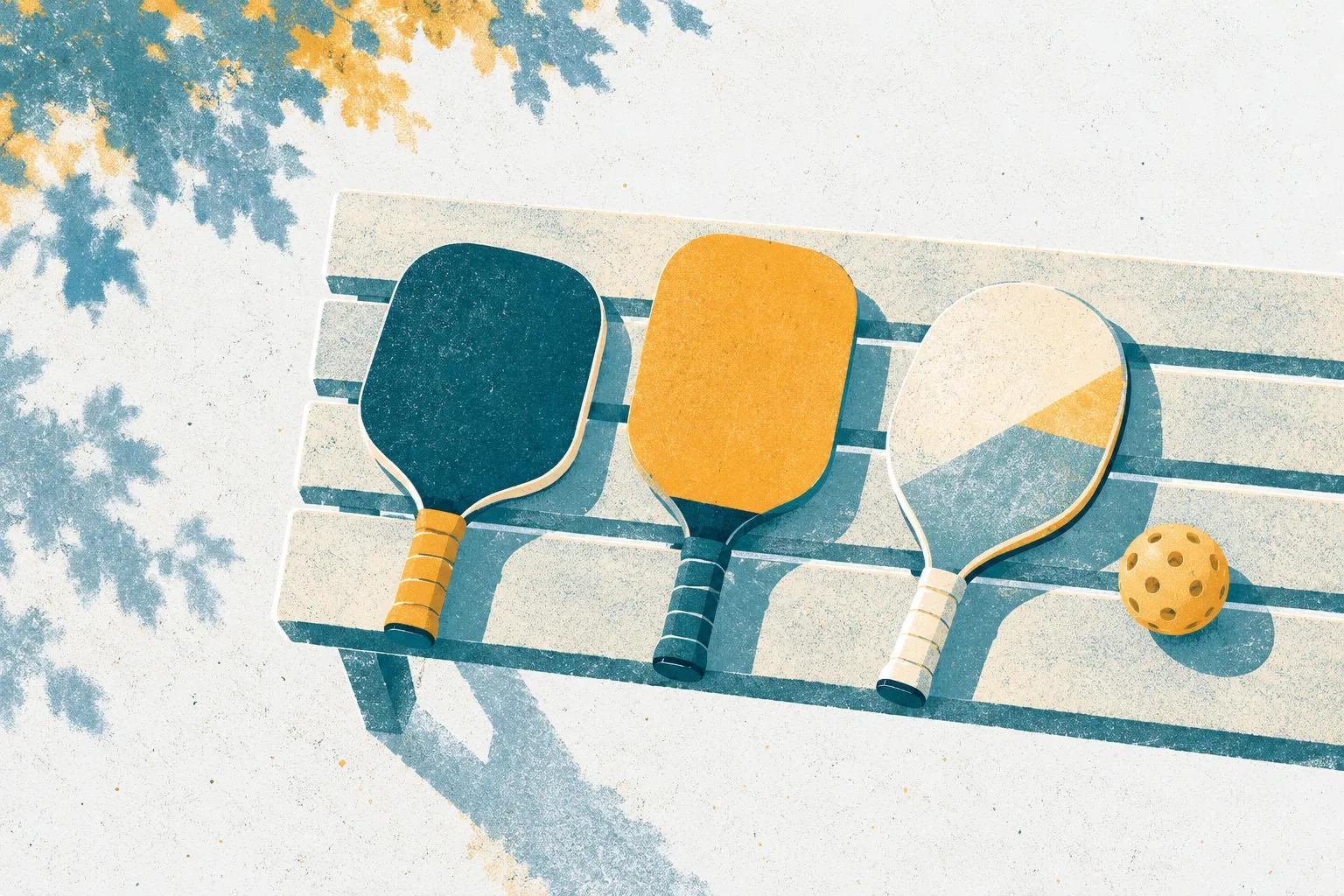
Choose a beginner pickleball paddle by checking whether its grip feels comfortable, its weight is manageable and its shape suits the way you reach and swing. If possible, borrow or try one in a game before buying so you can compare how it feels on court.
Preparing for a first session? Read pickleball open-play etiquette, then search pickleball courts on Club Hub. Ask the organiser whether a paddle is available to borrow or rent; a listing alone does not confirm equipment or a place to play.
Key facts before you choose
- Paddle selection involves several features, including weight, shape and grip. Pickleball.com's buying guide discusses each; checked 16 November 2026.
- USA Pickleball publishes a searchable approved paddle list by brand and model. Approval matters when an event uses rules requiring it; ask your organiser which rules apply. List checked 16 November 2026.
- Club Hub's court booking guide advises confirming equipment arrangements with the venue before leaving. Page checked 16 November 2026.
How should the grip feel?
Hold the paddle as you would during a game. Your fingers should wrap around the handle comfortably, and you should be able to make a few gentle swings without feeling that the paddle is slipping or that you must grip awkwardly hard.
If you can compare two handles, notice both circumference and length. A longer handle may leave more room for a second hand; a shorter one may feel different in your grip. There is no need to pick a size from a chart before you have held a paddle. Ask to try one on court and notice whether the grip still feels comfortable after several rallies.
What weight should a beginner try?
Start with a paddle you can manoeuvre comfortably through a session. Pickleball.com's paddle guide, checked 16 November 2026, discusses weight alongside grip and shape; the right feel is personal.
Compare two paddles by holding each in your normal grip and making a few controlled practice swings, with room around you. During a rally, notice how easy it feels to prepare for the next ball. Weight on the label is useful for comparing models, but how the weight is distributed can also change the feel. You do not need to chase the lightest or heaviest option.
Which paddle shape should you choose?
Try a conventional, wider face and a longer shape if both are available. Compare how each feels when you reach for the ball and how comfortably you move it in front of you. A longer outline and a wider outline put the hitting surface in different places; a shape that works for another player is not automatically your best fit.
When comparing a paddle, look at the handle and face together. A shape that looks appealing in a photo may feel different once you hold it. Use a seller's dimensions to identify the model you tried, rather than treating a shape name as a guarantee of performance.
Should you borrow before buying?
Yes, if you have a chance. A short trial can help you decide what you like before you commit to a purchase.
- Ask a friend, organiser or venue whether a paddle can be borrowed or rented. Confirm any conditions before the session.
- Hold it and check the grip, then try serving and a few relaxed rallies if the session allows.
- If you can, compare another paddle during a break. Notice grip comfort, ease of movement and the shape you prefer.
- Write down the brand, model and listed weight of the one you liked. Check the seller's return terms and exact specifications before buying.
Ask before using another player's equipment and follow the group's rotation. Our open-play etiquette guide explains what to check with an organiser.
What about materials and tournament approval?
Paddles come with different face and core descriptions. Treat those descriptions as details to compare after grip and feel, rather than a promise that one material will suit every beginner. If you are comparing two paddles, ask for the full model name and specifications so you can identify the one you tried.
If you plan to enter an event, ask its organiser which equipment rules apply. The USA Pickleball approved paddle list, checked 16 November 2026, lets players search by brand and model where that approval is required. It is a US governing body's list, not proof that every Philippine recreational session or tournament uses the same rules.
Where can you try playing?
Search pickleball courts on Club Hub, narrow the area and open a venue page. Contact the venue or organiser to confirm the session, player level and equipment arrangements. A listing is a starting point, not a reservation or a guarantee that loan paddles are available.
For a group booking, see how to book a pickleball court. You can also browse open play and check the organiser's current instructions before joining.
How do I choose a pickleball paddle for my first game?
Start with a grip that feels comfortable, a weight you can move easily and a shape you enjoy using. Borrow or try a paddle before buying if you can.
Should a beginner choose a light or heavy paddle?
Try different weights and choose one you can manoeuvre comfortably through a session. The number on a spec sheet is only a starting point; balance and personal preference matter too.
How do I know whether the grip fits?
Hold the handle as you would when playing and try a few gentle swings. Compare grips if possible and choose one you can hold comfortably without feeling that it slips or forces an awkward squeeze.
Do I need to buy a paddle before my first game?
Not necessarily. Ask the organiser or venue whether you can borrow or rent one, and confirm the arrangement before you travel.
Does my paddle need to be approved for a tournament?
That depends on the event and its governing rules. Ask the organiser which rules apply; if USA Pickleball approval is required, check the exact brand and model on its approved paddle list.